

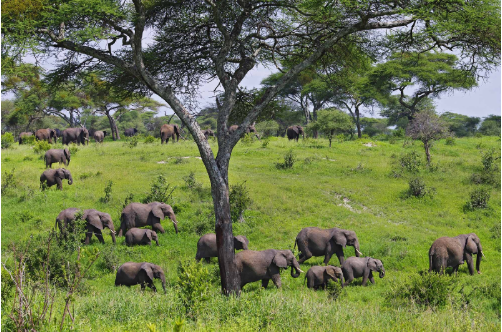
Discovering the magic of a safari in Tanzania means stepping into one of the planet’s last great wildlife sanctuaries, where the natural world operates on its own magnificent terms. Tanzania has cultivated its position as Africa’s ultimate safari destination through visionary conservation policies, carefully managed tourism development, and an ecosystem diversity that ranges from volcanic highlands to sweeping savannas. For travelers seeking authentic encounters with iconic African wildlife, dramatic landscapes that inspire awe, and experiences that create lifelong memories, a safari in Tanzania delivers beyond imagination. This comprehensive guide explores everything you need to know about planning and experiencing the safari adventure of a lifetime in this extraordinary East African nation.
The Unmatched Appeal of Safari in Tanzania
Tanzania’s superiority as a safari destination rests on several fundamental pillars that competitors struggle to match. The country’s commitment to conservation manifests in staggering statistics—over 300,000 square kilometers designated for wildlife protection, representing roughly 38% of the nation’s total land area. This conservation network includes 16 national parks, 29 game reserves, 40 controlled conservation areas, and numerous marine parks, creating an interconnected system that allows wildlife to thrive across vast territories. The scale of this protection enables complete ecosystems to function naturally, with predator-prey dynamics, migration patterns, and species interactions occurring much as they have for millennia.
Wildlife abundance in Tanzania reaches levels that astound even veteran safari-goers. Recent surveys estimate the Serengeti ecosystem alone supports over three million large mammals during peak periods. The country harbors approximately 60,000 elephants, 14,000-16,000 lions, significant populations of endangered African wild dogs, and one of the continent’s few remaining viable black rhinoceros populations. These numbers represent not just impressive statistics but functioning ecosystems where all ecological niches remain filled—from apex predators to scavengers, from mega-herbivores to tiny dung beetles that recycle nutrients back into the soil.
The infrastructure supporting safari in Tanzania has matured over decades into a sophisticated industry balancing wilderness preservation with visitor comfort. International-standard lodges compete with authentic tented camps, professional guide training programs ensure expert naturalist interpretation, and reliable logistics networks connect even remote destinations. This development has occurred thoughtfully, with strict regulations limiting visitor numbers in sensitive areas and ensuring that tourism enhances rather than degrades the very wilderness it depends upon. The result is a safari industry that delivers consistently excellent experiences while maintaining the ecological integrity that makes those experiences possible.
Prime Locations for Safari in Tanzania
Serengeti National Park: Where Wildlife Stories Unfold
The Serengeti stands as the crown jewel of any safari in Tanzania, a landscape so iconic that its name has become synonymous with African wilderness itself. This 14,750-square-kilometer protected area encompasses remarkable ecological diversity—the southern short-grass plains where volcanic soils create nutrient-rich grazing, the central Seronera Valley with its permanent water and dense wildlife concentrations, the western corridor’s riverine forests and challenging Grumeti River crossings, and the northern hills where the Mara River creates the migration’s most dramatic obstacle.
The Great Migration represents nature at its most spectacular. This continuous circular movement involves approximately 1.5 million wildebeest, 200,000 zebras, and 300,000 Thomson’s gazelles following ancient instincts in pursuit of rainfall and fresh grazing. The migration never truly stops—it flows across the landscape in a roughly predictable pattern. December through March finds massive herds concentrated on southern plains where synchronized calving produces approximately 8,000 newborns daily at peak periods. April through June sees northward movement as long rains trigger grass growth. July through October brings the famous Mara River crossings, where thousands of panicked animals plunge into crocodile-filled waters in scenes both terrifying and mesmerizing.
Yet the Serengeti rewards visitors year-round regardless of migration timing. Resident populations of lions, leopards, cheetahs, elephants, giraffes, and numerous antelope species ensure exceptional wildlife viewing throughout the calendar. The park’s predator densities rank among Africa’s highest, with over 3,000 lions exhibiting fascinating behavioral variations—some prides hunting cooperatively for buffalo, others specializing in zebra ambush techniques, and individuals developing unique strategies passed through generations. This completeness of ecosystem function makes every game drive during your safari in Tanzania an adventure into authentic wilderness.
Ngorongoro Conservation Area: Africa’s Garden of Eden
The Ngorongoro Crater represents both a geological wonder and a wildlife sanctuary of global significance for anyone experiencing safari in Tanzania. This massive volcanic caldera—formed through catastrophic collapse approximately three million years ago—creates a natural enclosure 610 meters deep with a floor area of 260 square kilometers. The crater walls function as boundaries concentrating roughly 25,000 large mammals, producing wildlife densities that allow visitors to observe more species in a few hours than many parks deliver across multiple days.
What distinguishes Ngorongoro is its ecological completeness within a compact area. Permanent water sources ensure year-round availability independent of seasonal rainfall. Diverse habitats compressed within the crater include extensive grasslands supporting wildebeest and zebra herds numbering in thousands, swamps where hippos congregate in dozens, acacia woodlands providing elephant refuge, and the Lerai Forest offering midday shade. Most remarkably, many animals complete entire life cycles within the crater, rarely ascending steep walls or venturing into surrounding highlands, creating a largely self-contained ecosystem.

For visitors on safari in Tanzania, Ngorongoro delivers the continent’s most reliable Big Five encounters. Black rhinoceros—critically endangered with fewer than 6,000 remaining across all of Africa—maintain a protected population here with sighting probabilities reaching 50-60% on any given visit. Lions thrive in multiple prides, some remarkably habituated to vehicles, allowing intimate observations impossible elsewhere. Large-tusked bull elephants regularly descend to feed. Combined with abundant buffalo and regular leopard sightings, the crater fulfills the Big Five promise more consistently than virtually any other African destination.
Tarangire National Park: Elephant Haven
Tarangire National Park embodies seasonal African ecology in dramatic fashion, making it essential for comprehensive safari in Tanzania experiences. During wet months, wildlife disperses across an ecosystem exceeding 20,000 square kilometers. But as dry season progresses from June through October, the Tarangire River transforms into the region’s sole permanent water source, creating a wildlife magnet that rivals more famous parks for sheer animal density and diversity.
Elephants define Tarangire’s character and appeal. Dry season populations swell to several thousand individuals, with herds sometimes exceeding 300 animals creating unforgettable spectacles. These elephants rank among Africa’s largest, often carrying substantial tusks increasingly rare elsewhere due to poaching. Long-term research reveals sophisticated social structures—extended matriarchal families maintain complex relationships, individuals communicate through various means including infrasonic calls traveling several kilometers, and emotional capacities including apparent mourning behaviors demonstrate intelligence rivaling great apes.
The park’s ancient baobab trees add irreplaceable aesthetic and ecological value. These giants—some exceeding 2,000 years in age—create landscape character unique among northern Tanzanian parks. Their massive trunks store enormous water quantities, bark provides emergency elephant food during droughts, cavities offer nesting sites for numerous bird species, and their distinctive silhouettes create photographic opportunities that transform standard safari images into iconic African art. For photographers on safari in Tanzania, Tarangire offers compositional elements unavailable elsewhere.
Lake Manyara National Park: Compact Diversity
Lake Manyara National Park proves that size doesn’t determine quality in safari experiences. This compact 330-square-kilometer park compresses remarkable habitat diversity into limited space—groundwater forests dense with vegetation, open grasslands, acacia woodlands, swamps, and the shallow alkaline lake covering two-thirds of the area during high water periods. Each habitat supports distinct wildlife communities, creating exceptional biodiversity relative to the park’s modest size.
Lake Manyara gained international fame for its tree-climbing lions, a behavior uncommon in most populations. While lions occasionally climb trees across Africa, Manyara’s lions regularly lounge on horizontal branches 5-6 meters above ground. Theories explaining this include escaping biting insects, catching cooling breezes, or gaining vantage points, but regardless of motivation, encountering lions in trees creates memorable highlights during safari in Tanzania. The park also supports elephant densities approaching six per square kilometer—among Africa’s highest—requiring careful management to prevent habitat degradation.
The lake itself, when adequately filled, attracts thousands of flamingos creating pink carpets across shallow waters. Over 400 bird species recorded here make Manyara exceptional for ornithological enthusiasts despite its small size. This diversity, combined with scenic beauty—the dramatic Rift Valley escarpment provides stunning backdrops—makes Manyara a valuable addition to northern circuit itineraries.
Southern Circuit: Nyerere and Ruaha
The southern safari circuit offers wilderness experiences fundamentally different from developed northern routes, appealing to adventurous travelers seeking authentic bush experiences during safari in Tanzania. Nyerere National Park protects 30,000 square kilometers of pristine wilderness dominated by the Rufiji River system. This vast waterway creates intricate channels, oxbow lakes, and floodplains supporting exceptional biodiversity. Miombo woodland—covering vast southern African areas but underrepresented in northern Tanzania—creates habitat for species uncommon elsewhere.
Nyerere’s activity diversity distinguishes it from other destinations. Traditional game drives encounter substantial elephant populations, buffalo herds, greater kudu, sable antelope, and healthy wild dog populations. Boat safaris provide unique perspectives—hippo pods numbering dozens, enormous crocodiles exceeding five meters, and spectacular water birds from kingfishers to herons. Walking safaris with armed rangers allow intimate ecosystem exploration impossible from vehicles. This combination creates dynamic itineraries maintaining engagement across multiple days.
Ruaha National Park, Tanzania’s largest at over 20,000 square kilometers, occupies a transition zone where eastern and southern African fauna overlap, producing exceptional biodiversity. The park excels for elephant viewing—populations estimated at 15,000-20,000 represent one of Africa’s most significant concentrations. The Great Ruaha River creates the park’s lifeblood, sustaining wildlife through eight-month dry seasons. Ruaha’s remoteness keeps visitor numbers remarkably low, delivering authentic wilderness increasingly rare in accessible destinations.
Strategic Planning for Safari in Tanzania
Optimal Seasonal Timing
Selecting the right season for your safari in Tanzania significantly enhances the overall experience. The primary dry season from late June through October offers quintessential safari conditions—minimal rainfall, comfortable temperatures, clear skies, excellent visibility as vegetation dies back, and concentrated wildlife around permanent water. These months coincide with migration herds in northern Serengeti and spectacular Mara River crossings. However, popularity brings premium pricing, maximum tourist numbers, and advance booking requirements.
The green season from November through May presents compelling alternatives often overlooked by first-time visitors. November rains transform landscapes dramatically—grasses regenerate, trees produce fresh foliage, and wildlife disperses to exploit widespread water. Thousands of migratory birds arrive from Eurasia, creating exceptional opportunities for enthusiasts. December through February offers a “short dry period” with excellent conditions and substantially fewer tourists. The southern Serengeti calving season during these months creates extraordinary predator drama. Long rains from March through May bring heaviest precipitation, lowest prices, smallest crowds, and lushest scenery, though some camps close and road conditions occasionally challenge travel.
Comprehensive Budget Planning
Understanding realistic costs for safari in Tanzania enables proper planning and prevents disappointing surprises. Daily rates vary dramatically by accommodation level: budget camping safaris cost $200-350 per person; mid-range tented camps run $400-700 per person; luxury lodges command $1,000-2,000 per person; ultra-luxury experiences exceed $2,500 per person. These rates typically include accommodation, meals, game drives, park fees, and professional guides.
Comprehensive budgets must include international flights ($800-2,500 from North America/Europe depending on season and routing), Tanzanian tourist visas ($50-100 for most nationalities), travel insurance with medical evacuation coverage ($100-300), gratuities for guides and camp staff ($100-300 for a week), and personal expenses. Realistic week-long mid-range safari in Tanzania totals approximately $6,500-9,500 per person all-inclusive, while luxury experiences reach $15,000-30,000+. Budget camping safaris can be accomplished for $4,500-6,500 all-inclusive, making authentic safari experiences more accessible than many assume.
Duration and Itinerary Design
Safari length dramatically impacts both satisfaction and per-day value. Brief three to four-day trips involve disproportionate travel time relative to wildlife viewing, with constant movement preventing meaningful park engagement. Five to seven days represents a sensible minimum for quality experiences, allowing visits to three or four parks with adequate time for multiple game drives at each. Standard itineraries include Serengeti (2-3 days), Ngorongoro Crater (1 day), and additional parks like Tarangire or Lake Manyara.

Extended ten to fourteen-day safaris enable comprehensive exploration at comfortable paces. These itineraries permit multiple days at premier locations, dramatically increasing odds for rare sightings and special behavioral moments. Photographers benefit enormously from extended stays as optimal conditions occur unpredictably. Longer safaris facilitate combining northern and southern circuits, incorporating Kilimanjaro trekking or Zanzibar beach time, or adopting leisurely rhythms that enhance rather than exhaust participants.
Enriching Your Safari in Tanzania
Specialized Wildlife Activities
A complete safari in Tanzania extends beyond vehicle-based game drives to include specialized activities. Hot air balloon safaris over the Serengeti provide magical aerial perspectives—launching pre-dawn and ascending as sunrise paints landscapes golden. From hundreds of meters altitude, the ecosystem scale becomes tangible, with migration herds appearing as flowing ribbons and wildlife dramas unfolding below. Flights conclude with champagne breakfasts beneath acacias. At $550-650 per person, balloon safaris represent significant investments consistently receiving highest satisfaction ratings.
Walking safaris fundamentally alter wilderness engagement. Moving on foot through wildlife habitat with armed rangers demands heightened awareness sharpening all senses. Guides teach bush skills—tracking, plant identification, behavioral interpretation, ecological relationships. Pace slows dramatically, allowing contemplation of details missed from vehicles. Night game drives reveal nocturnal species—active lions, hunting leopards, socializing hyenas, and smaller carnivores. Spotlights catch distinctive eyeshine while nocturnal sounds create atmospheric richness.
Conservation and Community Impact
Safari tourism plays crucial roles in Tanzania’s conservation success. Tourism revenues exceeding $2.5 billion annually provide powerful economic justifications for maintaining protected areas. Park fees fund rangers, anti-poaching patrols, infrastructure, and research. Tourism employment supports hundreds of thousands, creating conservation constituencies. Responsible operators extend impact through community investments and environmental practices. Individual travelers contribute through respectful behavior—maintaining wildlife distances, following rules, avoiding littering—protecting ecosystems for future generations.
Conclusion
Safari in Tanzania delivers transformative wilderness immersion where nature’s ancient patterns continue largely unaltered. Whether witnessing the migration’s awe-inspiring movement, observing predator-prey interactions, encountering endangered species, or absorbing African sunsets’ profound tranquility, Tanzania creates moments permanently reshaping natural world understanding. The country’s conservation commitment, sophisticated infrastructure, and spectacular wildlife establish safari in Tanzania as Earth’s ultimate wildlife experience.
Success requires honest priority assessment, realistic budgeting, and partnerships with knowledgeable operators. Tanzania’s diversity ensures perfect experiences exist for every traveler—luxury seekers, adventurers, photographers, families, solo explorers. Safari in Tanzania answers primal human longings for landscapes where nature dominates, preserving irreplaceable wilderness for current and future generations.
Key Takeaways
- Conservation Champion: Tanzania protects 300,000+ square kilometers (38% of territory) through comprehensive parks and reserves network—Africa’s most extensive system
- Migration Headquarters: The Great Migration involving 1.5 million wildebeest, 200,000 zebras, 300,000 gazelles occurs primarily in Tanzania’s Serengeti
- Big Five Excellence: Ngorongoro Crater offers Africa’s most reliable Big Five viewing with 50-60% probability for all five species in single game drives
- Budget Flexibility: Options from budget camping ($200-350/day) through mid-range ($400-700/day) to ultra-luxury ($2,500+/day) accommodate all financial levels
- Year-Round Destination: Dry season (June-October) provides classic conditions; green season (November-May) offers calving drama and fewer crowds
- Activity Richness: Balloon safaris, walking safaris, boat trips, night drives, cultural visits enhance traditional game viewing
- Economic Power: Tourism generates $2.5+ billion annually, directly funding conservation and supporting hundreds of thousands of livelihoods
- Professional Standards: Expert guides, quality vehicles, established safety protocols, mature infrastructure ensure outstanding experiences
Frequently Asked Questions
When is the absolute best time for safari in Tanzania?
The “best” time depends on your priorities. July-October offers a peak dry season with excellent wildlife viewing, Mara River crossings, and optimal weather, but brings the highest prices and most tourists. January-February provides a spectacular calving season with intense predator action, good weather, and moderate crowds. June and November are excellent shoulder seasons with good conditions, reasonable pricing, and fewer visitors. March-May brings lowest prices and smallest crowds with occasional rain. First-timers typically prefer July-October or January-February for reliability, while experienced safari-goers often choose shoulder or green seasons for value and intimacy.
What does a quality safari in Tanzania really cost?
For comprehensive week-long safaris including international flights, visas, tips, and all expenses: Budget camping totals $4,500-6,500 per person. Mid-range lodge experiences cost $7,000-10,000 per person. Luxury safaris run $15,000-25,000 per person. Ultra-luxury experiences exceed $25,000-40,000 per person. Green season travel reduces costs 20-40%. Group safaris spread vehicle costs, lowering per-person expenses. Solo travelers typically pay 50-100% single supplements. While significant investments, safaris deliver extraordinary value through once-in-lifetime experiences impossible elsewhere.
How safe is safari in Tanzania for families and individuals?
Extremely safe. Tanzania maintains excellent tourism safety records with rare serious incidents. Parks implement strict protocols, and vehicle-based viewing is very safe following guide instructions. Violent crime against tourists is uncommon, especially in safari areas. Political stability supports consistent operations. Families are warmly welcomed—many operators design child-specific programs with appropriate activities. Some lodges maintain minimum ages (6-12 years) for safety and experience reasons. Private vehicles work best for families. With reputable operators and sensible health precautions, safaris are safe for all ages.
What vaccinations and health preparations are essential?
Yellow fever vaccination is required for travelers from endemic countries and recommended for others. Hepatitis A, typhoid, and routine immunizations should be current. Malaria prophylaxis is mandatory—all major safari areas are malaria zones. Consult travel medicine specialists about medications (atovaquone-proguanil, doxycycline, or mefloquine). Combine medication with protection: long sleeves/pants at dawn/dusk, DEET repellent, mosquito nets. Comprehensive travel insurance with medical evacuation is essential given remote locations. Consult travel health professionals 6-8 weeks before departure for personalized recommendations.
What are realistic expectations for seeing all Big Five?
Highly probable with proper planning. Lions appear regularly—nearly certain on week-long multi-park safaris. Elephants are abundant throughout Tanzania. Buffalo travel in large, easily spotted herds. Leopards appear with moderate frequency in prime areas like Serengeti’s Seronera Valley—60-70% probability on week-long trips. Black rhinos are challenging—reliably seen mainly in Ngorongoro Crater with 50-60% probability. Including Ngorongoro dramatically increases Big Five completion odds. Multi-day safaris visiting three or more parks provide best chances, though sightings are never guaranteed—that unpredictability is part of authentic safari appeal.
What camera equipment is necessary for safari photography?
Professional photographers use 400-600mm telephotos, but quality safari photos are achievable with modest equipment. Cameras with 200-400mm zoom capture most subjects well. Modern mirrorless cameras with advanced autofocus excel at tracking animals. Fast shutter speeds (1/1000-1/2000 second) freeze action. High ISO capabilities (3200-6400+) enable dawn/dusk shooting. Binoculars (8×42 or 10×42) are essential for distant viewing. Bring multiple batteries, large memory cards, cleaning supplies, and dust protection. Lodges typically provide charging. Smartphones work for landscapes but produce inferior wildlife images compared to dedicated cameras with telephoto lenses.
Are solo travelers welcome and well-accommodated?
Absolutely. Solo travelers have excellent options including guaranteed-departure small group safaris eliminating single supplements while providing social interaction. Some operators connect solo travelers willing to share accommodations, reducing costs. Private safaris offer maximum flexibility but require bearing full expenses. Most lodges charge 50-100% single supplements, though some waive these during low season. Tanzania’s mature safari industry warmly welcomes solo travelers with operators experienced in creating safe, enjoyable individual experiences. Many find safari ideal for personal reflection and meeting like-minded adventurers.
How physically demanding is safari in Tanzania?
Standard vehicle-based safaris require minimal fitness—most time is spent comfortably seated with occasional short walks. However, certain activities are more demanding: walking safaris involve 2-4 hours hiking uneven terrain; balloon safaris require climbing into baskets and standing throughout flights; some lodges feature stairs or elevated structures. Game drives on rough tracks can be bumpy. Generally, safaris suit reasonably healthy individuals of all ages with basic mobility. Travelers with specific concerns should communicate these when booking for appropriate recommendations. Most find safaris less physically challenging than anticipated.
