

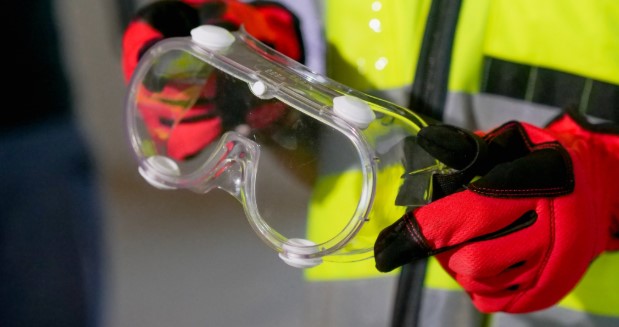
Protective equipment only performs as intended when it is properly maintained. Cases, closures, padding, and hardware all degrade over time through regular use, environmental exposure, and improper storage. A structured approach to equipment maintenance extends the useful life of protective gear, ensures reliable performance when it matters most, and prevents the gradual deterioration that leads to unexpected failures during field use.
Inspecting Cases After Every Use
The most effective maintenance habit is a consistent post-use inspection. After each deployment, checking the exterior of a protective case for cracks, dents, or deformation identifies structural damage before it compromises interior protection. Interior foam should be examined for compression, tearing, or moisture intrusion that would reduce its cushioning effectiveness. Seals and gaskets around lids require inspection for debris, distortion, or cracking that would allow water or dust ingress. Small issues caught early are inexpensive to address; the same issues left unattended grow into failures.
Cleaning and Preserving Case Hardware
Latches, hinges, and closure hardware are the mechanical components most exposed to wear and environmental stress. Dirt, grit, and moisture accelerate corrosion and wear on metal hardware, reducing the reliability of closures that keep cases securely sealed during transport. Cleaning hardware regularly with a soft brush and mild solution removes contaminants before they cause damage. Applying a light lubricant to pivot points and latch mechanisms including the pelican 1745 latch and similar closure systems keeps them operating smoothly and extends their functional lifespan significantly.
Replacing Foam Inserts When Needed
Foam inserts protect equipment by absorbing and distributing impact energy. Over time, foam compresses permanently from repeated pressure, losing the resilience that makes it effective. Equipment that once fit snugly in a custom cutout begins to shift when surrounding foam loses its original form. Replacing worn foam inserts before they fail completely maintains the protective performance that custom cases are designed to deliver. Pre-cut replacement foam is widely available for standard case models, and custom inserts can be fabricated for specialized configurations.
Storing Equipment Correctly Between Uses
How protective equipment is stored when not in use directly affects how long it remains serviceable. Cases should be stored in climate-controlled environments where possible, away from prolonged direct sunlight that degrades foam and plastic components over time. Storing cases empty or with minimal interior load prevents foam compression between uses. Stacking heavy items on top of cases applies sustained pressure that distorts shells and compresses foam permanently. Proper storage habits cost nothing and meaningfully extend the condition of protective equipment.
Keeping an Inventory of Accessories and Spares
A maintenance program is only as reliable as the spare parts and accessories available to support it. Keeping a small inventory of replacement latches, gaskets, foam sheets, and closure hardware prevents maintenance delays when components need replacement. Knowing which replacement parts are compatible with specific case models eliminates the downtime that occurs when equipment cannot be used while waiting for parts to arrive. An organized spare parts inventory is a low-cost investment that pays for itself with the first prevented delay.
Conclusion
Consistent maintenance of protective equipment and accessories prevents the gradual degradation that reduces performance and shortens service life. Regular inspection, proper cleaning, timely part replacement, and correct storage together ensure that protective gear remains ready to perform its essential function whenever it is needed.
