

A Kenya safari is more than a holiday—it is an immersion into one of the last great wildlife strongholds on Earth. From vast golden savannahs and acacia-dotted plains to shimmering soda lakes and snow-capped mountain backdrops, Kenya offers an extraordinary blend of biodiversity, culture, and raw natural beauty. For over a century, travelers have journeyed to this East African nation in search of authentic wilderness encounters, and today it remains one of the world’s premier safari destinations.
A Legacy of Conservation and Exploration
Kenya’s safari heritage dates back to the early 20th century, when explorers and naturalists first documented the region’s astonishing wildlife populations. Over time, the country established a network of national parks, reserves, and private conservancies designed to protect ecosystems while supporting tourism and local communities. Organizations such as the Kenya Wildlife Service play a central role in conservation management, anti-poaching initiatives, and habitat preservation.
Modern safaris in Kenya balance luxury with sustainability. Many lodges operate under eco-friendly guidelines, invest in community development, and actively contribute to wildlife research. This combination of conservation and responsible tourism ensures that visitors not only witness nature’s grandeur but also support its long-term protection.
Iconic Safari Destinations
Kenya’s diverse geography provides a wide range of safari experiences, each region offering distinct landscapes and wildlife.
The crown jewel of Kenyan tourism is the Maasai Mara National Reserve. Known globally for its high concentration of predators and dramatic scenery, the Mara hosts the annual Great Migration, during which more than a million wildebeest, zebras, and gazelles move between Tanzania’s Serengeti and Kenya’s plains. River crossings along the Mara River, where crocodiles lie in wait, create some of the most breathtaking wildlife spectacles in the world. Lions, cheetahs, leopards, elephants, and buffalo are commonly sighted here, making it one of the best locations to see Africa’s famed “Big Five.”
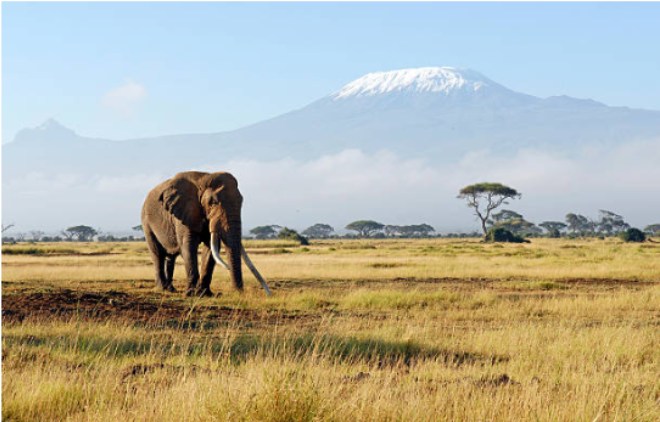
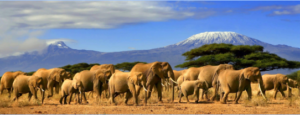
In the shadow of Africa’s highest mountain stands Amboseli National Park. Although Mount Kilimanjaro lies just across the border in Tanzania, its snow-capped peak forms a dramatic backdrop for Amboseli’s elephant herds. The park is renowned for its large-tusked elephants and open terrain, which allows for exceptional wildlife photography.
Further north, Samburu National Reserve offers a more arid and rugged environment. This region is home to unique species often referred to as the “Samburu Special Five,” including Grevy’s zebra and the reticulated giraffe. Its remote character provides a quieter, more intimate safari experience.
Another essential destination is Tsavo National Park, one of the largest protected areas in Africa. Divided into Tsavo East and Tsavo West, the park features volcanic hills, lava flows, and red-dust elephants. Its vast size offers a sense of true wilderness rarely found elsewhere.
For birdlife and scenic beauty, Lake Nakuru National Park is celebrated for its flamingos and thriving rhino populations. The alkaline lake attracts hundreds of bird species, making it a paradise for ornithologists and photographers alike.
The Great Migration: Nature’s Grand Spectacle
The Great Migration remains Kenya’s most famous wildlife event. Between July and October, enormous herds cross into the Maasai Mara in search of fresh grazing. This cyclical journey, driven by rainfall patterns, represents one of the largest terrestrial animal migrations on the planet. Predators closely follow the herds, creating dynamic scenes of pursuit and survival
that capture the essence of the African wilderness.
While the migration is a highlight, Kenya’s safari appeal extends year-round. Even outside migration season, wildlife viewing remains exceptional due to resident animal populations and well-managed ecosystems.
Cultural Encounters
A Kenya safari is not solely about wildlife; it also offers opportunities to connect with indigenous cultures. The Maasai people, known for their distinctive attire and pastoral lifestyle, inhabit areas surrounding the Maasai Mara. Community visits provide insight into traditional customs, cattle herding practices, and age-old ceremonies. These interactions, when conducted respectfully and ethically, foster cultural exchange and contribute to local livelihoods.
Safari Experiences and Accommodation
Kenya offers a broad spectrum of safari styles. Classic game drives in customized 4×4 vehicles remain the most common activity, typically conducted at dawn and late afternoon when animals are most active. Guided by experienced naturalists, visitors gain deeper understanding of animal behavior, ecology, and conservation efforts.
For a unique perspective, hot-air balloon safaris over the Maasai Mara provide panoramic views of the plains at sunrise, often followed by a bush breakfast in the wilderness. Walking safaris and night drives are available in select conservancies, adding variety to the traditional safari itinerary.
Accommodation ranges from luxury tented camps and boutique lodges to mid-range and budget-friendly options. Many properties blend comfort with authenticity, allowing guests to experience the sounds of the African night while enjoying modern amenities.
Best Time to Visit
Kenya’s climate allows for year-round travel, though the dry season from June to October is generally considered optimal for wildlife viewing. During this period, vegetation is thinner, and animals gather around water sources, making sightings more predictable. The short rains in November and December and the longer rains in April and May bring lush landscapes and fewer tourists, appealing to photographers seeking dramatic scenery.
Planning and Practical Considerations
Most safaris are organized through reputable tour operators who coordinate transport, park fees, accommodation, and guides. International visitors typically arrive via Nairobi, Kenya’s capital, before connecting to domestic airstrips or traveling by road to safari destinations.
Travelers should pack neutral-colored clothing, sunscreen, insect repellent, and binoculars. Health precautions, including vaccinations and travel insurance, should be arranged in advance. Importantly, visitors are encouraged to respect wildlife guidelines—maintaining safe distances and following guide instructions at all times.
A Transformative Journey
A Kenya safari offers more than remarkable wildlife sightings; it provides perspective. Witnessing elephants traverse ancient migration routes, hearing lions roar across the savannah at dusk, or watching a giraffe silhouette against a crimson sunset evokes a profound connection to the natural world. It is an experience that blends adventure, education, and reflection
In a rapidly urbanizing world, Kenya’s protected landscapes stand as a reminder of Earth’s enduring wildness. Whether exploring the vast plains of the Maasai Mara, photographing elephants beneath Kilimanjaro’s peak, or discovering rare species in Samburu’s rugged terrain, a safari in Kenya promises memories that will last a lifetime.
