

The Serengeti is one of the few places on Earth where wildlife viewing is good in every month, but “good” and “ideal for you” are not the same thing. The best time to visit serengeti depends on what you most want to see, how much you’re willing to pay, and how you feel about crowds, rain, and dust. This guide breaks down the Serengeti’s seasons, follows the Great Migration through the year, and helps you match your priorities to the right month.
The Short Answer
For most travelers, the best time to visit the Serengeti is late June to October, the dry season, when game viewing is easiest and the northern Serengeti hosts the dramatic Mara River crossings. For the calving season and the densest predator action on the plains, January to March is hard to beat, especially in the southern Serengeti and Ndutu area. November, December, and the early part of the long rains offer lower prices, fewer vehicles, and lush scenery, with some trade-offs in weather.
There is no single perfect month. There is only the best month for the experience you want.
Understanding the Serengeti’s Seasons
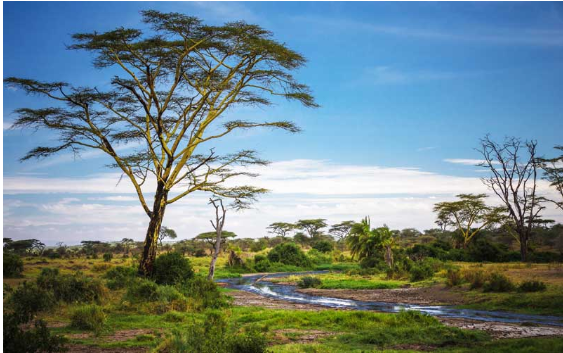
The Serengeti sits close to the equator, so its climate is shaped by rainfall rather than temperature swings. There are four broad phases:
- Dry season (roughly late June to October): little rain, short grass thinning out, and animals concentrated near rivers and waterholes. Days are warm and sunny, and nights can be cool, especially at higher elevations.
- Short rains (roughly November to December): brief, often afternoon showers that turn the landscape green and trigger the herds’ return south.
- Dry spell and calving (roughly January to March): a relatively dry, warm stretch, with the herds on the southern plains and births at their peak.
- Long rains (roughly April to May): the wettest period, with heavy rain, fewer visitors, and the lowest prices.
Exact timing shifts from year to year, so treat these periods as patterns and not guarantees.
The Great Migration Month by Month
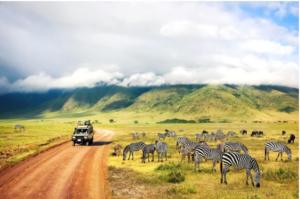
The migration is a continuous movement of well over a million wildebeest, along with zebra and gazelle, following the rains and fresh grass. It never starts or ends. Here is where the herds tend to be through the year:
January to March: Calving on the Southern Plains
The herds gather on the short-grass plains of the southern Serengeti and the Ndutu area. Calving typically peaks in February, when hundreds of thousands of calves are born within a few weeks. Predators such as lions, cheetahs, and hyenas follow the herds, which makes this a standout time for predator action. The landscape is green, the weather is warm, and birdlife is abundant.
Best for: newborn animals, predator sightings, photography, and good value compared with peak months.
April to May: Herds on the Move
As the long rains arrive, the herds head north and west through the central Serengeti. Grass is tall, roads can be difficult, and some camps close. Crowds are minimal, and prices are at their lowest.
Best for: quiet, atmospheric safaris, birdwatching, and travelers prioritizing price and solitude over predictable sightings.
June to July: Western Corridor and the Grumeti River
The herds usually move through the western corridor, where the Grumeti River can produce crossings. These are less famous than the Mara River crossings and can be less predictable, but they are dramatic when they happen. Dry-season conditions begin to set in, and visitor numbers rise.
Best for: early-season crossings with fewer vehicles than the peak months.
July to October: The Northern Serengeti and the Mara River
This is the most famous phase. Herds gather in the northern Serengeti and attempt crossings of the Mara River, where crocodiles and predators wait. Timing varies, and crossings are never guaranteed on any given day, but this period offers the best odds.
Best for: river crossings, classic dry-season game viewing, and photographers seeking dramatic scenes. It is also the busiest and most expensive period.
November to December: The Return South
The short rains arrive and the herds drift back south toward the plains. The landscape greens up, migratory birds arrive, and crowds thin. It is a good time for value and a quieter atmosphere.
Best for: fewer visitors, lower prices, lush scenery, and birdlife.
Resident Wildlife Is There All Year
Even when the herds are elsewhere, the Serengeti is full of animals. Lions, leopards, cheetahs, elephants, giraffes, buffalo, hippos, and many other species live here year-round. The central Serengeti around Seronera is known for strong big-cat sightings in most months, which is one reason many travelers are happy to visit outside the migration’s headline moments.
Best Time by Interest
Matching your priorities to the calendar is the most reliable way to choose.
- River crossings: roughly July to October, northern Serengeti.
- Calving season and predators: roughly January to March, southern Serengeti and Ndutu.
- Best overall game viewing: roughly late June to October, when animals gather around water.
- Photography: the dry season for clear light and active scenes, or the green season for dramatic skies and lush backdrops.
- Birdwatching: roughly November to April, when migratory species are present.
- Fewer crowds: roughly April, May, November, and early December.
- Lowest prices: the long rains, roughly April to May, followed by the shoulder months.
- Honeymoons and special occasions: the dry season for reliable weather, or January to March for calving drama.
Weather and What to Expect
The Serengeti’s elevation means days are warm and nights can be cool, especially from June to August. Early morning game drives in an open vehicle can feel chilly, so layers help. The dry season brings dust, while the rainy months bring mud and occasional road difficulties. Sun protection is important year-round, since you are close to the equator.
Showers during the short rains tend to be brief, and many travelers find the green season more photogenic and less crowded than they expected. The long rains are more disruptive, with heavier rainfall and some camp closures.
Costs and Crowds by Season
Timing affects both price and atmosphere.
- High season (roughly late June to October, plus parts of January to March): the highest lodge and camp rates, the most vehicles at popular sightings, and the need to book far ahead.
- Shoulder season (roughly November to December, and early in the long rains): lower accommodation rates, fewer vehicles, and good wildlife.
- Low season (roughly April to May): the best prices and the quietest parks, with the trade-off of heavy rain.
National park fees at premium parks typically stay the same through the year, so the savings from traveling outside peak months come mainly from accommodation and operator pricing. Confirm current fees and rates with your operator, since they change.
How Many Days Should You Spend in the Serengeti?
The park is huge, and the herds are spread across a vast area. Three to four nights usually gives you time to enjoy more than one area without rushing. If you’re chasing a specific event, such as a river crossing, give yourself extra time and build in flexibility, because animal movements follow rain and grass, not a schedule.
Choosing Where to Stay
Where you stay matters as much as when. Camps and lodges in the south suit the calving season, while camps in the north are better for river crossings. Central Serengeti camps work well year-round for big cats. Some operators run seasonal mobile camps that move with the herds, which keeps you close to the action. When planning around the migration, always ask where the herds are likely to be in your travel month, and choose accommodation to match.
Practical Planning Tips
- Book early. Popular camps in peak months often sell out nine to twelve months ahead.
- Stay flexible. Migration timing varies with the rains, so avoid building a trip around a single date.
- Choose experienced guides. They read the conditions and know where animals are likely to be.
- Pack layers. Mornings can be cold, and afternoons hot.
- Bring good binoculars and a camera. Distance and light make a difference.
- Prepare health requirements. Speak to a doctor about vaccinations and malaria prevention well ahead of travel.
- Consider a balloon safari. It is an optional extra and a memorable way to see the plains at sunrise.
Conclusion
The best time to visit the Serengeti depends on what you want from the trip. For dramatic river crossings and classic dry-season game viewing, aim for roughly July to October. For calving season and intense predator action, choose January to March. For fewer crowds, lush scenery, and lower prices, consider November, December, or the early part of the long rains. Whatever month you pick, the Serengeti’s resident wildlife ensures that you will see remarkable animals. The key is to decide your priorities first, choose your camp location to match, and allow flexibility, because the herds follow the rain and not a calendar.
Seasonal patterns shift from year to year, and migration movements are never guaranteed. Confirm current conditions, fees, and availability with your operator before booking.
Key Takeaways
- Late June to October is the dry season, with the best overall game viewing and the best chance of Mara River crossings.
- January to March is calving season on the southern plains, with strong predator activity.
- April to May brings the long rains, the lowest prices, and the fewest visitors.
- November to December offers short rains, green landscapes, and good value.
- The Great Migration is continuous, so the herds’ location depends on the month and the rains.
- Resident wildlife makes the Serengeti rewarding year-round.
- Book early for peak months, and choose your camp location to match the herds.
Frequently Asked Questions
- What is the best month to visit the Serengeti?
There is no single best month. July to October is best for river crossings and dry-season game viewing, while January to March is best for calving and predators. Choose based on what you most want to see. - When is the Great Migration in the Serengeti?
The migration is continuous throughout the year. Herds are typically in the southern plains from January to March, move north and west from April to June, reach the northern Serengeti from roughly July to October, and return south in November and December. - When can I see the river crossings?
River crossings most often happen in the northern Serengeti from roughly July to October, with some earlier activity on the Grumeti River in the west. Crossings are never guaranteed on a particular day. - When is calving season?
Calving typically peaks around February on the southern plains and the Ndutu area, with births spread over several weeks. - What is the cheapest time to visit the Serengeti?
The long rains, roughly April to May, usually offer the lowest accommodation rates. November and early December can also be good value. - Is the Serengeti worth visiting in the rainy season?
Yes, for the right traveler. You will find fewer visitors, lush scenery, and good birdlife, though heavy rain can make roads difficult and some camps close. The short rains of November and December are generally easier than the long rains. - How many days do I need in the Serengeti?
Three to four nights is a good minimum, giving you time to explore properly. Longer stays are better if you want to follow the migration or visit multiple regions. - Are there fewer crowds at certain times?
Yes. April, May, November, and early December are quieter. July to October and the calving season are the busiest. - What should I pack for the Serengeti?
Layers for cool mornings and warm afternoons, sun protection, a hat, comfortable neutral-colored clothing, binoculars, and a camera. Pack for dust in the dry season and rain in the wet months. - How far ahead should I book?
For peak months and prime migration locations, book nine to twelve months ahead. For quieter periods, three to six months is often enough.
I can also put this in a file, or adapt the tone, audience, or target operator if you’d like.
