

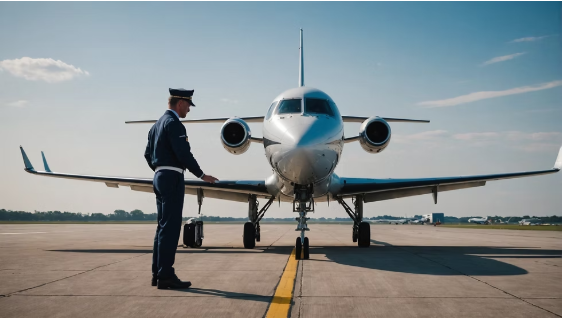
Aircraft ownership and operation involve many costs. Owners must pay for fuel, maintenance, crew, insurance, and airport fees. Because aviation plays an important role in transportation, business growth, and global trade, many governments offer tax exemptions for aircraft.
These exemptions help reduce the financial burden on aircraft owners and operators. When used correctly, tax exemptions can support aviation businesses, encourage investment, and improve the overall efficiency of operations. Several important reasons explain why using aircraft tax exemptions can provide significant value.
Lower Operational Costs
Aircraft operations require large financial investments, and taxes can increase those costs quickly. Tax exemptions help reduce expenses related to aircraft purchases, fuel, parts, and maintenance services. When operators receive tax relief, they can allocate funds to other important areas such as safety upgrades, technology improvements, or crew training.
Lower operational costs also help aviation businesses remain competitive. When tax exemptions reduce expenses, companies can offer better pricing to customers while maintaining profitability.
Encourages Investment in Aviation
When you use tax exemptions for aircraft it encourages individuals and companies to invest in aircraft ownership and aviation services. High taxes can discourage potential buyers because aircraft purchases already require large financial commitments. When governments provide tax relief, investors feel more confident about entering the aviation market.
Increased investment supports the growth of aviation infrastructure and services. New aircraft purchases create demand for pilots, engineers, ground staff, and maintenance providers.
Supports International Aviation Operations
Aircraft frequently travel across borders, and international aviation operations require cooperation between countries. Many governments provide tax exemptions on imported aircraft, aviation fuel, and certain services to support global air transportation.
These policies help airlines and operators manage cross-border operations more efficiently. Tax exemptions also prevent double taxation, which can occur when aircraft operate in multiple countries. This approach benefits passengers, cargo companies, and global business networks.
Promotes Business and Economic Growth
Aviation plays a critical role in modern business. Companies rely on aircraft for executive travel, cargo delivery, and rapid transportation between cities and countries. When tax exemptions reduce aviation costs, businesses can operate more efficiently and expand their activities.
Lower aviation costs encourage companies to travel more frequently, explore new markets, and build stronger partnerships. Cargo aircraft also help businesses move goods quickly across long distances. These activities support economic development by connecting industries, improving trade opportunities, and increasing productivity.
Encourages Fleet Modernization and Environmental Efficiency
Tax exemptions can also encourage aircraft owners to upgrade their fleets with newer and more efficient aircraft. Modern aircraft use less fuel, produce fewer emissions, and include advanced safety technologies. However, purchasing new aircraft often requires significant financial resources.
When governments provide tax incentives or exemptions for aircraft purchases, operators find it easier to replace older models. Fleet modernization improves environmental performance and reduces long-term operational costs. Newer aircraft also provide better passenger comfort, improved reliability, and stronger safety systems.
Conclusion
Tax exemptions for aircraft provide important financial and operational advantages for aviation businesses and private owners. These benefits help reduce operational costs, encourage investment, support international aviation operations, promote economic growth, and improve fleet efficiency.
When aviation professionals understand and use these exemptions properly, they can manage resources more effectively and strengthen their operations. Governments design these policies to support the growth and stability of the aviation sector.
